




Three NHS trusts serving Suffolk are among England’s top 10 for incidents involving staff inappropriately accessing patient information, as an investigation continues into an alleged breach involving three-year-old Noah Woods.
The figures have prompted warnings that such incidents “erode trust” in the organisations involved and the wider NHS.
The FOI revealed the Suffolk trusts of West Suffolk Hospital, East of England Ambulance Service and East Suffolk and North Essex NHS Foundation Trust recorded 459 of the 3,000 incidents reporting by trusts in England over the five year period.
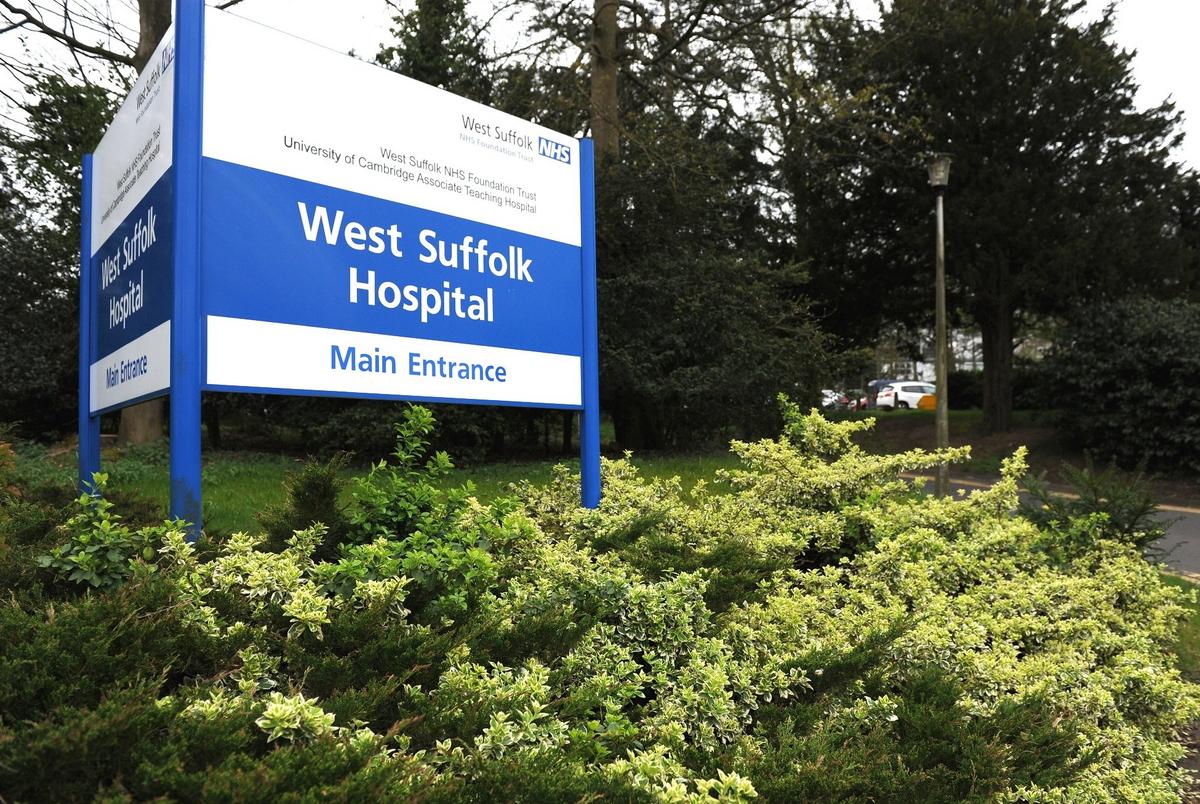
West Suffolk recorded 213 incidents over the five years between 2021/22 and 2025/26, the second-highest figure disclosed by an NHS hospital or ambulance trust in England.
The East of England Ambulance Service (EEAST) recorded 182 and ranked fifth, while East Suffolk and North Essex NHS Foundation Trust (ESNEFT) disclosed 64 incidents, placing it 10th.
The figures come as ESNEFT remains two months into an investigation into an alleged unauthorised access of the records of three-year-old Noah Woods, which led to 10 members of staff being suspended.
West Suffolk NHS Foundation Trust said the vast majority of its cases involved employees accessing their own medical records, which staff are also prohibited from doing outside the trust’s established processes.
A trust spokesman said: “Unauthorised and unjustifiable access of patient records is unlawful, erodes confidence in the NHS, and is a failure in our duty to protect the privacy of patients.
“Unfortunately, in our response to the FOI, we included incidents of staff looking at their own record, which make up the vast majority of cases. There are clear policies and processes around doing this so, while it remains an issue, our first response is usually training and education.
“In those rare cases where a colleague breaches patient privacy, we are committed to taking the strongest action.”
EEAST stressed its 182 incidents should not be interpreted as confirmed inappropriate access.
A spokesman said proactive auditing identifies potential cases, many of which were subsequently found to have a “legitimate operational reason” for accessing records.
Where unauthorised access is confirmed, EEAST said it takes disciplinary action and informs and supports patients.

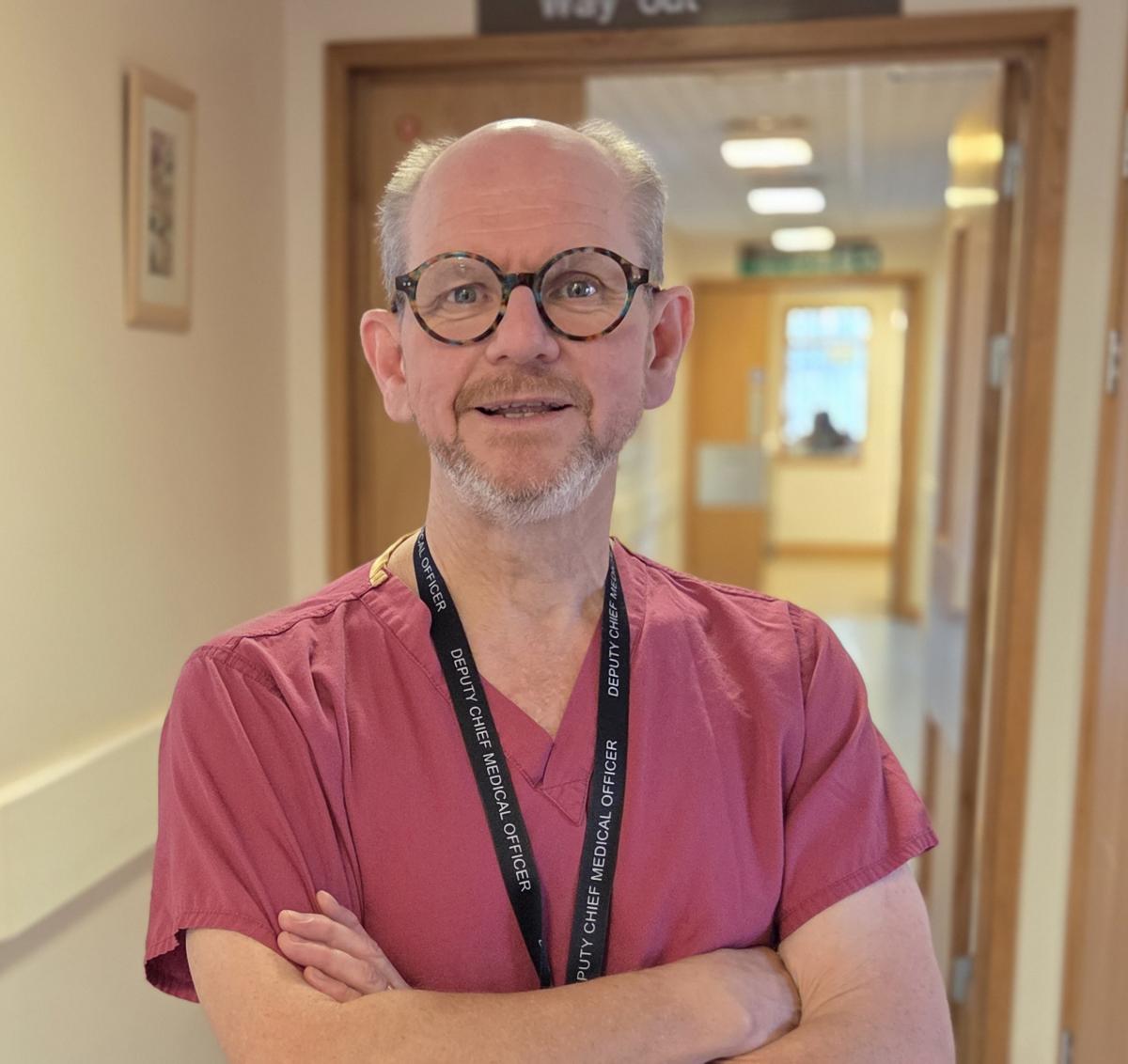
Dr Martin Mansfield, ESNEFT’s deputy chief medical officer and Caldicott Guardian, said unauthorised access was “completely unacceptable”.
He said: “We recognise the distress it can cause patients and their families, and the impact it can have on trust in our services.”
ESNEFT said allegations were thoroughly investigated and staff accessing records without legitimate reasons could face dismissal.
In an update regarding the ongoing probe into the access of three-year-old Noah Woods' file, an ESNEFT spokeswoman said the trust could not say when the investigation would be complete and that Noah's family would be the first to receive updates.

Andy Yacoub is chief executive of Suffolk watchdog services, delivered through Knowing Works.
He warned that medical records contain some of the “most personal and sensitive information” people share, often when they are a their “most vulnerable”.
He said: “When this information is accessed inappropriately, or without our knowledge, the impact can be significant.”
Such breaches risk “undermining the trust people place in health and care services”, he added.
Why is the issue in the spotlight?
In September, NHS England announced it was stepping up action against staff suspected of improperly and unlawfully accessing patients’ medical records would face immediate suspension and have their access to NHS computer systems cut off, under a zero-tolerance crackdown on “snooping staff”.
The hardline approach comes amid a string of cases involving staff accessing highly sensitive patient information they had no legitimate reason to view, including dozen of employees who looked at the medical records of the victims of attacks in Southport and Nottingham.
Staff should access patient records only when they have a legitimate reason, not out of curiosity.
If a registered healthcare professional is dismissed for this kind of offence, NHS trusts must refer the case to the relevant regulator.
Doctors, nurses and other registered professionals caught ‘snooping’ on patient records could lose their NHS jobs and face regulatory action that prevents them from practising again.
NHS England chief executive Sir Jim Mackey described the new figures as “extremely worrying” and said the health service “will not tolerate this behaviour”.
What happens when a breach is suspected?
Suspected breaches must be reported to Information Commissioner’s Office (ICO).
The Information Commissioner's Office (ICO) is the UK's independent regulator for data protection and information rights. It oversees compliance with data protection laws, including the UK General Data Protection Regulation (UK GDPR) and the Data Protection Act 2018
If an organisation believes a personal data breach has occurred, it must assess the risks involved. Some breaches must be reported to the ICO within 72 hours of the organisation becoming aware of them.
An ICO investigation does not itself mean a data protection breach has occurred; the regulator examines the evidence before deciding whether data protection laws were broken.
The ICO has warned that healthcare workers who knowingly access patient records without authorisation could risk their jobs, professional registration and criminal sanctions.
ICO chief executive Paul Arnold said accessing records without a legitimate reason was not simply “harmless curiosity”.
He said: “It can cause enormous distress to patients and jeopardise the vital trust people place in our health service.
“I’ve written to chief executives across the UK asking them to assure me personally that their safeguards work in practice.
“Where they don’t, we expect organisations to put that right. This isn’t only about processes – it’s about driving the right culture and behaviours to make sure those processes are respected and followed."


Share